
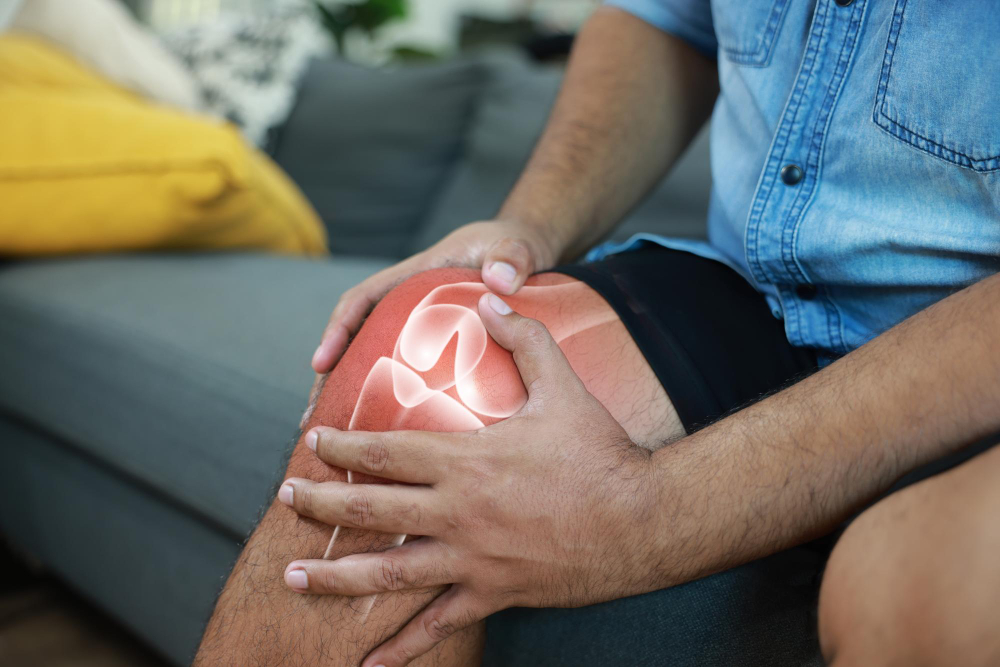
What is Knee Cartilage Damage?
Knee cartilage damage happens when the smooth tissue in your knee joint gets hurt. This tissue, called cartilage, helps your knee move easily. When it is damaged, you may feel pain or stiffness. Knee cartilage damage can make walking or bending your knee hard. Many people want to know about knee cartilage injury treatment and how to prevent knee cartilage damage. Understanding this problem is the first step to protecting knee joints and staying active.
Common Symptoms and Warning Signs
Often, knee cartilage damage causes clear signs. However, some people may not notice symptoms right away. Watch for these warning signs:
If you notice these symptoms, it is wise to see a doctor. Early care can help prevent more damage.
Main Causes and Risk Factors
Knee cartilage damage can happen for many reasons. For example, a sudden injury, like a fall or sports accident, may hurt the cartilage. Over time, wear and tear from daily use can also cause damage. In addition, some people have a higher risk. Here are common causes and risk factors:
Knowing these risks can help you focus on protecting knee joints every day.
Diagnosis Methods
Doctors use several ways to find out if you have knee cartilage damage. First, they will ask about your symptoms and check your knee. Next, they may order tests to see inside the joint. Common diagnosis methods include:
Early diagnosis helps guide the best knee cartilage injury treatment for you.
Treatment Options for Knee Cartilage Damage
Treatment depends on how bad the damage is. For mild cases, doctors often suggest non-surgical options first. However, severe damage may need surgery. Here are common treatment options:
Non-Surgical Treatments
Surgical Treatments
Your doctor will help you choose the best knee cartilage injury treatment for your needs.
Lifestyle Tips and Joint Protection Strategies
Protecting knee joints is important for everyone. Even small changes can make a big difference. For example, try these tips:
These steps can help you stay active and avoid further injury.
Prevention Tips for Healthy Knees
While not all knee cartilage damage can be prevented, you can lower your risk. Consider these prevention tips:
By following these tips, you can help protect your knees for years to come.
Conclusion
Knee cartilage damage can cause pain and limit movement. However, early care and healthy habits can help. If you have knee pain or worry about joint health, consult an orthopedic specialist Dr. Manivannan for personalized advice on knee cartilage health.