
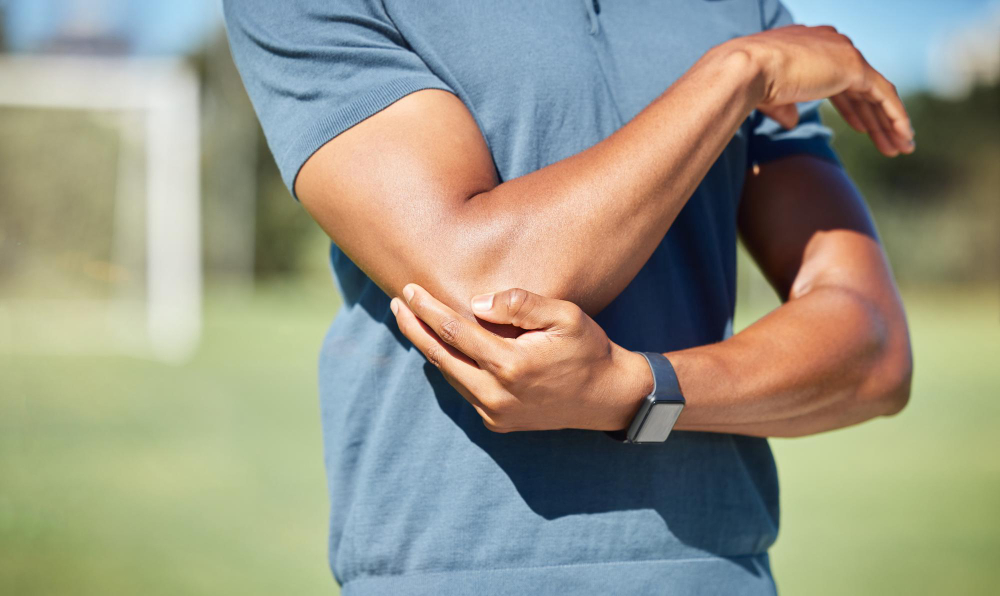
What is Golfer’s Elbow?
Golfer’s Elbow is a condition that causes pain on the inside of your elbow. It is also called medial epicondylitis. Although the name suggests it affects only golfers, anyone can get it. In fact, people who use their arms for repeated movements are at risk. For example, tennis players, painters, and carpenters may also develop this problem. Golfer’s Elbow happens when the tendons on the inner side of your elbow become irritated or damaged. This leads to pain and sometimes swelling.
Common Symptoms
Many people notice pain on the inside of their elbow. However, symptoms can vary. You may experience:
Sometimes, the pain starts slowly. But in other cases, it can appear suddenly after overuse.
Causes and Risk Factors
Golfer’s Elbow is usually caused by overuse of the forearm muscles. These muscles help you grip, twist, and flex your wrist. When you repeat the same motion many times, small tears can develop in the tendons. Over time, this leads to pain and inflammation. Although sports like golf and tennis are common causes, other activities can also lead to this condition. For instance, jobs that involve lifting, painting, or typing may increase your risk.
Key risk factors include:
Because these factors are common, many people can develop Golfer’s Elbow, not just athletes.
Diagnosis
Doctors usually diagnose Golfer’s Elbow by asking about your symptoms and examining your arm. They may press on the inner elbow to check for pain. Sometimes, you may need to move your wrist or fingers to see what causes discomfort. In some cases, your doctor may order an X-ray or MRI. These tests help rule out other causes of inner elbow pain, such as fractures or nerve problems. However, most cases do not need special tests.
Treatment Options
Most people recover from Golfer’s Elbow with simple treatments. Early care can help you heal faster. Common treatment options include:
In rare cases, if pain does not go away, your doctor may suggest injections or surgery. However, most people get better without these treatments.
Prevention Tips
There are steps you can take to lower your risk of Golfer’s Elbow. For example, you can:
By following these tips, you can help protect your elbow from injury.
Lifestyle and Self-Care Guidance
Managing Golfer’s Elbow at home is possible for many people. First, try to rest your arm as much as you can. Next, use ice packs for 15 to 20 minutes at a time, several times a day. You can also use a soft brace to support your elbow. Gentle stretching and strengthening exercises may help, but start slowly. If you are unsure about which exercises to do, ask a physical therapist. Additionally, avoid activities that make your pain worse. Over time, these steps can help you recover and prevent future problems.
When to See a Doctor
Sometimes, home care is not enough. You should see a doctor if:
Early treatment can prevent long-term problems. Therefore, do not wait too long to seek help.
For the best results, consult an orthopedic specialist Dr. Manivannan for personalized advice on Golfer’s Elbow.