
Introduction to Rotator Cuff Injuries and Arthroscopy
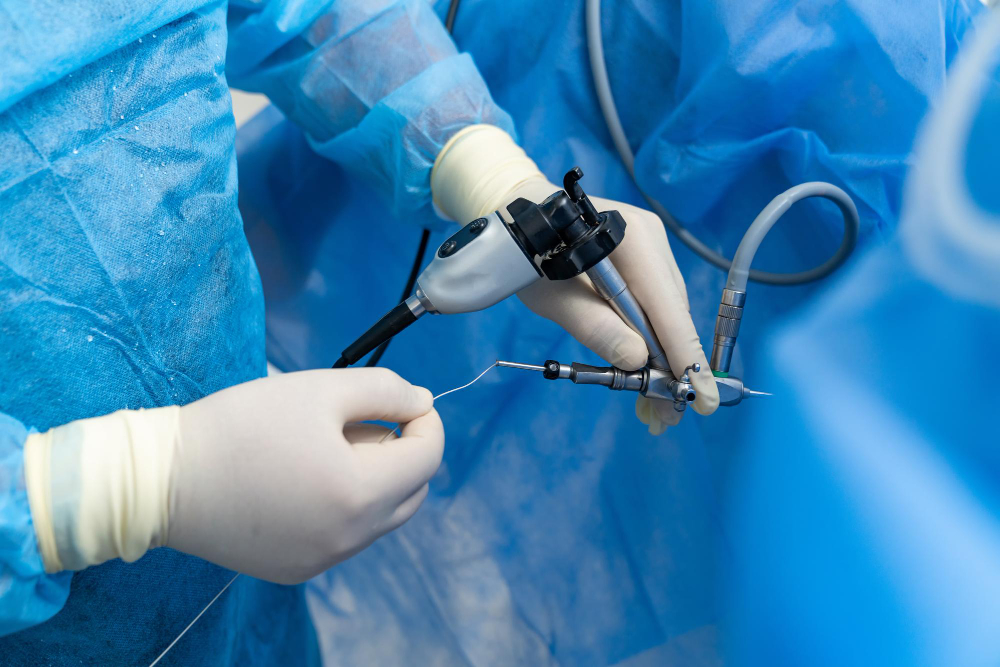
Arthroscopy for rotator cuff repairs is a common way to treat shoulder pain. The rotator cuff is a group of muscles and tendons in your shoulder. These help you lift and move your arm. Sometimes, these tendons can tear. This causes pain and weakness. Arthroscopy is a type of minimally invasive shoulder surgery. Doctors use small tools and a camera to fix the tear. As a result, recovery is often faster and less painful than with open surgery.
Symptoms and Causes of Rotator Cuff Tears
Rotator cuff tears can happen to anyone. However, they are more common in people over 40 or those who use their arms a lot. You may notice symptoms such as:
There are several causes for these tears. For example, they can result from:
According to the CDC, early treatment can help prevent further damage.
How Arthroscopy Is Used for Rotator Cuff Repairs
Doctors often choose arthroscopy for rotator cuff tear treatment. The procedure uses small cuts instead of one large one. Here is a step-by-step overview:
Because the cuts are small, there is less damage to healthy tissue. This means you may heal faster.
Benefits of Arthroscopic Surgery Compared to Open Surgery
Many people prefer minimally invasive shoulder surgery. There are several reasons for this choice. For instance, arthroscopy offers:
Additionally, studies in peer-reviewed medical journals show that shoulder arthroscopy recovery is often smoother than with open surgery.
Recovery Process and Expected Outcomes
After arthroscopy for rotator cuff repairs, recovery takes time. Most people wear a sling for a few weeks. This helps protect the shoulder as it heals. Physical therapy usually starts soon after surgery. It helps you regain strength and movement. While everyone heals at a different pace, many people return to normal activities within three to six months. However, heavy lifting or sports may take longer. According to the WHO, following your doctor’s advice improves your chances of a full recovery.
Tips for Post-Surgery Care and Prevention of Future Injuries
Proper care after surgery is important. Here are some tips to help you heal and avoid future problems:
In addition, regular exercise and stretching can keep your shoulder strong. If you notice pain or weakness, contact your doctor right away.
For the best results, consult Dr. Manivannan, an orthopedic specialist, for personalized advice on rotator cuff repairs.