
Introduction
Arthroscopy for meniscus tears is a common, minimally invasive knee surgery. Doctors use this technique to diagnose and treat torn meniscus cartilage in the knee. Because it uses small cuts and a camera, arthroscopy often leads to faster recovery and less pain. In this blog, you will learn what a meniscus tear is, how arthroscopy works, and what to expect during recovery. We will also discuss the benefits, risks, and tips for keeping your knees healthy.
What is a Meniscus Tear?
The meniscus is a C-shaped piece of cartilage in your knee. It acts as a cushion between your thigh bone and shin bone. When you twist your knee or put too much pressure on it, the meniscus can tear. This injury is common in athletes, but it can happen to anyone. Sometimes, even simple movements can cause a tear, especially as you get older.
Symptoms and Causes of Meniscus Tears
Meniscus tears can cause several symptoms. For example, you might feel pain or swelling in your knee. Sometimes, your knee may lock or feel stiff. You may also hear a popping sound when the injury happens.
There are many causes of meniscus tears. Often, sports that involve sudden stops or turns can lead to injury. However, aging can also weaken the meniscus, making it easier to tear during daily activities.
Diagnosis of Meniscus Tears
Doctors use several methods to diagnose a meniscus tear. First, they will ask about your symptoms and how the injury happened. Next, they will examine your knee and check for tenderness or swelling. Sometimes, doctors use imaging tests, such as an MRI, to see the tear clearly. X-rays may also help rule out other knee problems. Early diagnosis helps guide the best treatment plan.
What is Arthroscopy?
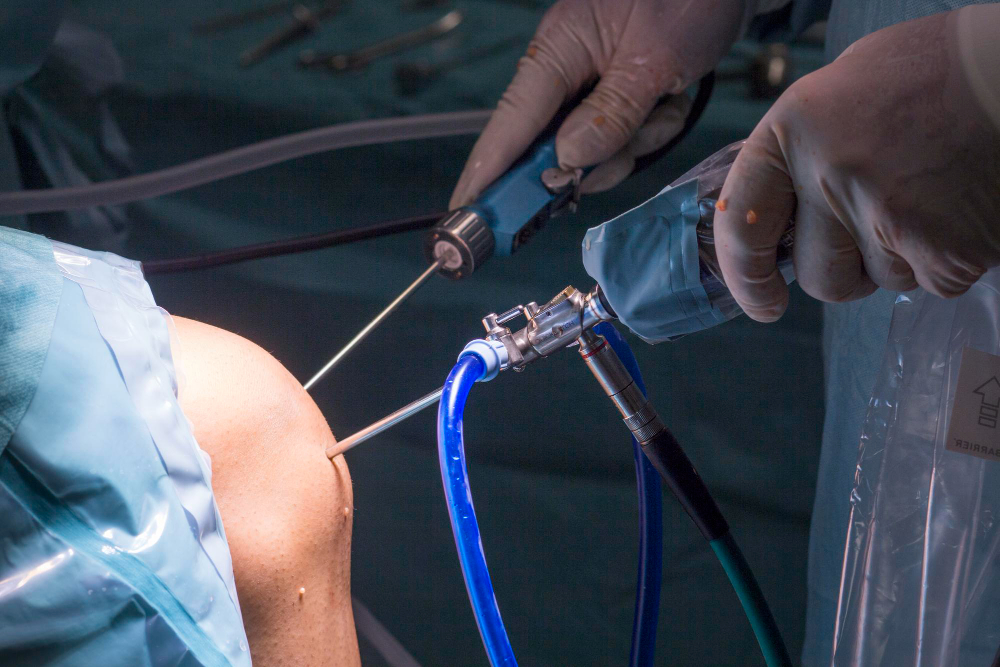
Arthroscopy is a type of minimally invasive knee surgery. During this procedure, doctors use a tiny camera called an arthroscope. They insert it through a small cut in your knee. This camera lets them see inside the joint and repair the torn meniscus. Arthroscopy for meniscus tears is popular because it usually causes less pain and allows for a quicker recovery than open surgery. According to the American Academy of Orthopaedic Surgeons, most people return to normal activities sooner after arthroscopic knee surgery.
The Arthroscopic Procedure: Step-by-Step Overview
Understanding the steps of arthroscopy can help you feel more prepared. Here is what usually happens:
Because the cuts are small, you may have less scarring and a faster recovery.
Recovery Timeline and What to Expect After Arthroscopy
Recovery after arthroscopy for meniscus tears is usually quicker than with open surgery. However, everyone heals at a different pace. Here is a general timeline:
During recovery, follow your doctor’s advice. Physical therapy can help restore strength and movement. Always report any unusual pain or swelling to your doctor.
Benefits and Risks of Arthroscopy for Meniscus Tears
Arthroscopy offers many benefits for meniscus tear recovery. For instance, it uses small cuts, which means less pain and faster healing. You may also have a lower risk of infection compared to open surgery. Many patients enjoy better knee movement and less stiffness after the procedure.
However, like any surgery, arthroscopy has some risks. These may include:
Although most people have good outcomes, talk to your doctor about your personal risks and benefits.
Prevention Tips and Lifestyle Guidance for Knee Health
Keeping your knees healthy can help prevent meniscus tears. Here are some tips:
Additionally, listen to your body. If you feel pain or discomfort, rest and seek medical advice. Good habits can protect your knees for years to come.
Conclusion
Arthroscopy for meniscus tears is a safe and effective way to treat knee injuries. Because it is minimally invasive, most people recover quickly and return to normal activities. However, every case is unique.
Consult Dr. Manivannan, an orthopedic specialist, for personalized advice on meniscus tear treatment.