
Introduction
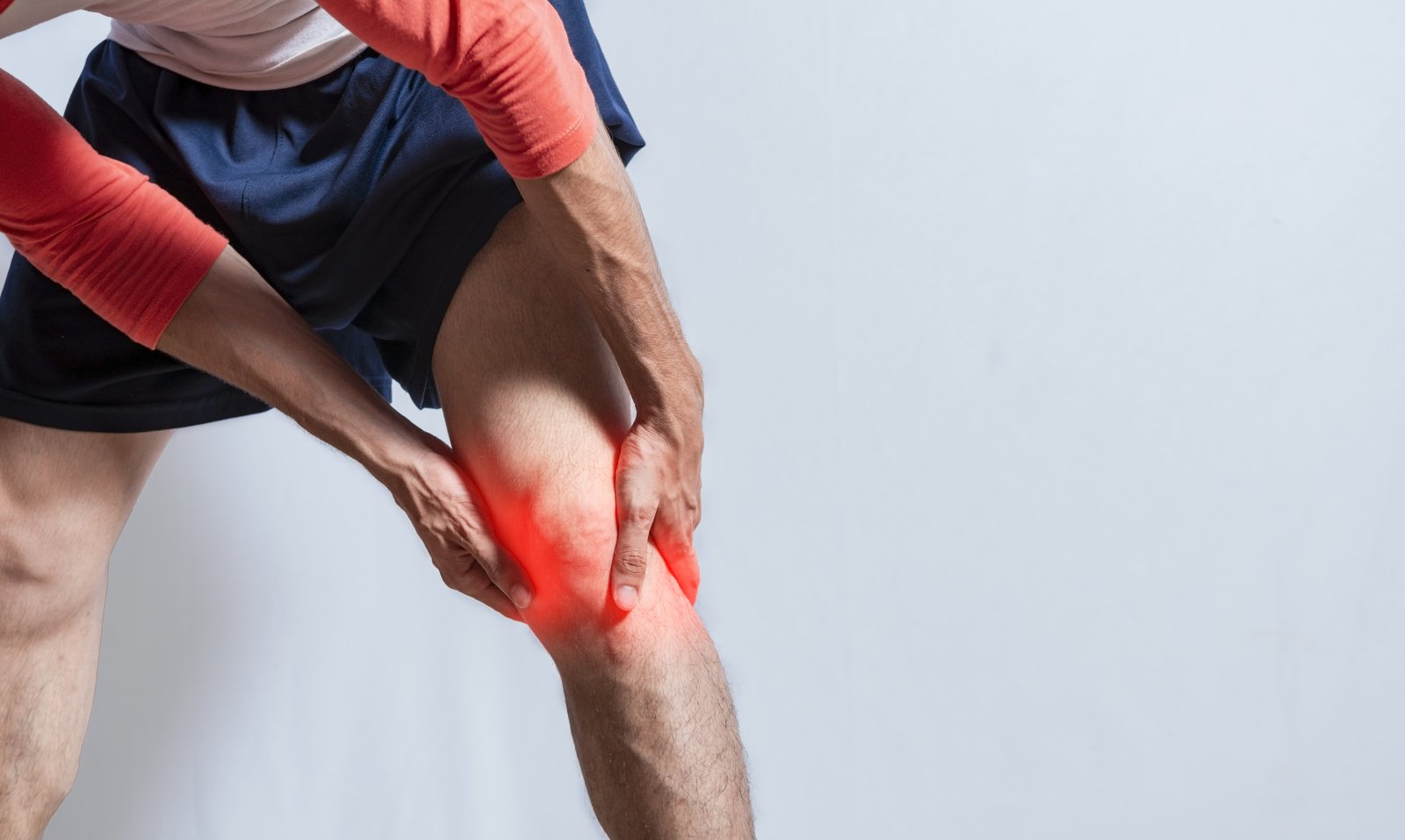
An ACL tear in the knee is a common injury, especially among athletes. However, anyone can experience this knee injury. Early diagnosis and proper treatment are important for a full recovery. In this blog, you will learn about ACL tear symptoms, causes, diagnosis, and treatment options. You will also find helpful tips for knee injury recovery and prevention.
What is an ACL Tear?
The ACL, or anterior cruciate ligament, is a strong band inside your knee. It helps keep your knee stable. When this ligament tears, it is called an ACL tear. This injury can make your knee feel weak or unstable. Often, people with an ACL tear in the knee find it hard to walk or play sports.
Causes of ACL Tear in the Knee
Many things can cause an ACL tear. Most often, it happens during sports or activities that involve sudden stops or changes in direction. But, it can also occur in daily life. Here are some common causes:
For example, athletes in basketball, soccer, and skiing are at higher risk. However, anyone can suffer an ACL tear from a fall or accident.
Symptoms of ACL Tear
Recognizing ACL tear symptoms early can help you get the right care. Common signs include:
Sometimes, people may still walk after an ACL tear. However, the knee often feels weak or unstable, especially during movement.
Diagnosis of ACL Tear
Early diagnosis is important for proper treatment. Doctors use several steps to diagnose an ACL tear in the knee. First, your doctor will ask about how the injury happened. Next, they will check your knee for swelling, tenderness, and movement. Often, special tests are used to check the stability of your knee. In many cases, your doctor may order imaging tests, such as:
With these tests, your doctor can give you a clear ACL tear diagnosis and suggest the best treatment options.
Treatment Options for ACL Tear
Treatment for an ACL tear depends on your age, activity level, and how severe the injury is. There are both non-surgical and surgical options. Here are the main choices:
For example, young athletes often need surgery to return to sports. However, older adults or those with less active lifestyles may recover well with therapy alone. Always follow your orthopedic surgeon’s advice for the best results.
Prevention and Recovery Tips
While not all ACL tears can be prevented, you can lower your risk with some simple steps. Here are helpful tips:
During recovery, follow your doctor’s plan closely. For example, attend all physical therapy sessions and avoid rushing back to sports. With patience and care, most people return to normal activities after an ACL tear in the knee.
Conclusion and Call-to-Action
In summary, an ACL tear in the knee is a serious injury but can be treated with the right care. Early diagnosis, proper treatment, and a good recovery plan are key. If you think you have an ACL tear, do not wait. Consult Dr Manivannan, an orthopedic specialist for personalized advice on ACL tear diagnosis and treatment. Your knee health matters.