
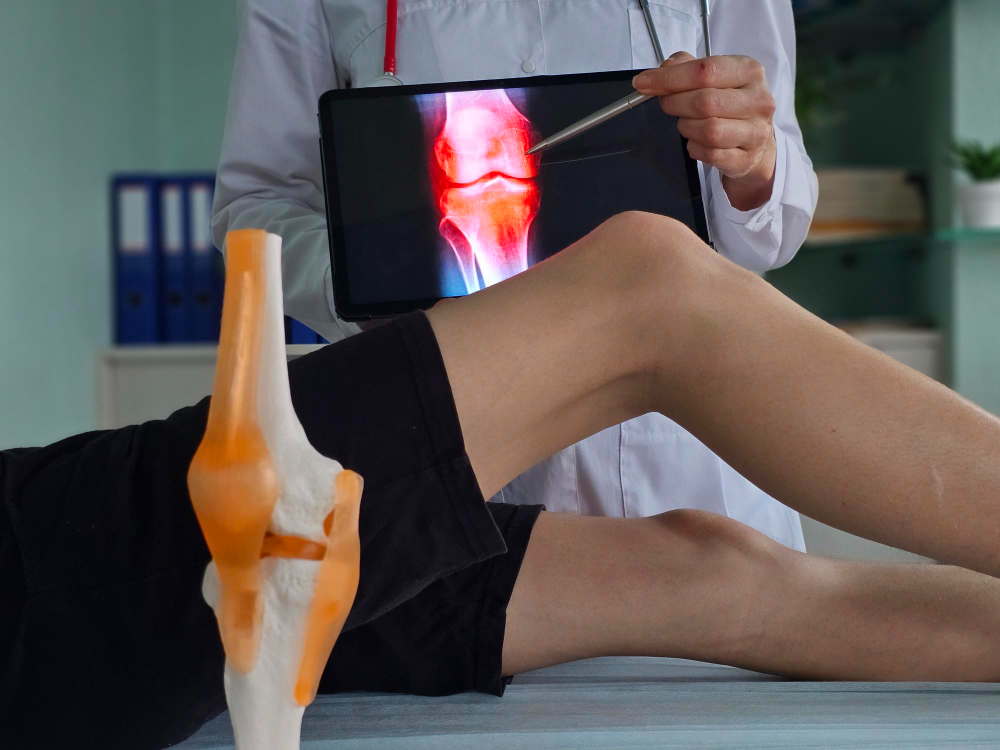
Introduction to ACL Ligament Injuries and Repair
The anterior cruciate ligament, or ACL, is a strong band inside your knee. It helps keep your knee stable. However, ACL injuries are common, especially in sports like soccer or basketball. When the ACL tears, it can cause pain and swelling. Many people need ACL ligament repair to fix the damage. This surgery helps restore knee strength and movement. Often, an orthopedic surgeon will recommend repair if the knee feels unstable or if you want to return to active sports.
Symptoms and Diagnosis of ACL Injuries
After an ACL injury, you may notice a popping sound in your knee. Soon after, your knee may swell and feel unstable. Sometimes, it feels hard to walk or put weight on the leg. Although pain is common, some people feel only mild discomfort. Doctors use several ways to diagnose an ACL tear. First, they will ask about your injury and check your knee. Next, they may order an MRI scan to see the ligament. X-rays help rule out broken bones. Quick diagnosis helps start knee injury recovery sooner.
Overview of ACL Ligament Repair Surgery
ACL ligament repair is a surgery that rebuilds the torn ligament. Usually, the surgeon uses tissue from your own body or a donor. Before surgery, you may need to stop certain medicines and avoid eating for several hours. The procedure often takes one to two hours. During surgery, doctors use small tools and a camera to guide their work. After the repair, you will spend some time in recovery. Most people can go home the same day. According to orthopedic surgeon advice, full healing takes several months. However, surgery helps restore knee movement and strength for most people.
Immediate Post-Operative Care
After ACL ligament repair, you will wake up with a bandage on your knee. Pain and swelling are common, but your care team will help manage these. For example, they may give you ice packs, pain medicine, or a knee brace. You should keep your leg raised when resting. Wound care is important to prevent infection. Always keep the bandage clean and dry. In addition, follow your doctor’s instructions about showering. Mobility is limited at first. However, you may use crutches to walk short distances. Early movement helps prevent stiffness, but avoid putting too much weight on your knee.
Rehabilitation and Physical Therapy
Physical therapy starts soon after surgery. In the first weeks, gentle exercises help reduce swelling and improve movement. As you heal, your therapist will add more challenging exercises. These help build strength and balance. For example, you may practice bending and straightening your knee. Over time, you will work on walking, climbing stairs, and even light jogging. Most people follow this timeline:
Although progress may feel slow, sticking to your plan supports a full recovery. Rehabilitation after ACL surgery is key to returning to daily life and sports.
Lifestyle Modifications and Tips for a Smooth Recovery
After surgery, making small changes can speed up your recovery. For instance, eat a healthy diet with plenty of protein and vitamins. Staying hydrated also helps your body heal. While you recover, avoid high-impact sports or running. Instead, focus on safe activities like walking or swimming. Always follow your physical therapist’s advice. In addition, wear your knee brace as directed. Here are some ACL recovery tips:
With patience and care, most people regain full knee function after ACL ligament repair.
Prevention of Future ACL Injuries
Once you recover, it is important to protect your knee from future injuries. For example, always warm up before exercise. Stretching helps keep your muscles flexible. Strength training for your legs and core adds support to your knee. If you play sports, learn safe jumping and landing techniques. Wearing the right shoes also lowers your risk. Using proper form during activity can prevent many knee injuries. Finally, listen to your body and avoid pushing through pain. These steps can help keep your knees healthy for years to come.
Take the first step towards better health. Book your consultation today.,Consult Dr. Manivannan