
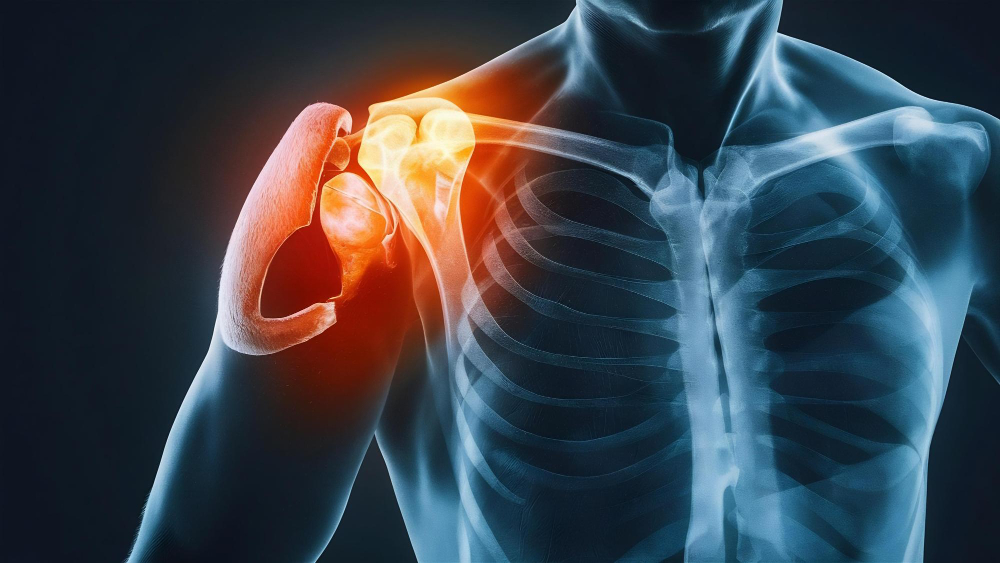
What is Shoulder Dislocation?
Shoulder dislocation happens when the upper arm bone pops out of the shoulder socket. This injury is common, especially in sports or falls. Because the shoulder joint is very flexible, it is more likely to dislocate than other joints. If you have a shoulder dislocation, you may need quick medical help. Early treatment can help prevent further damage.
Common Symptoms
Recognizing shoulder dislocation symptoms is important for fast care. Usually, symptoms appear right after the injury. For example, you may notice:
Sometimes, the pain may spread down the arm. If you notice these signs, seek help right away.
Main Causes
Many things can cause a shoulder dislocation. Most often, it happens due to:
In some cases, weak shoulder muscles or loose joints can increase your risk. For instance, people with past dislocations may have a higher chance of repeat injuries.
Diagnosis Methods
Doctors use several ways to diagnose a dislocated shoulder. First, they will ask about your injury and symptoms. Next, they will check your shoulder’s shape and movement. Often, they will order imaging tests, such as:
With these tests, doctors can plan the best treatment for you.
Treatment Options
How to treat a dislocated shoulder depends on the injury’s type and severity. Usually, treatment steps include:
Early treatment can speed up shoulder dislocation recovery and lower the risk of future problems.
Recovery and Lifestyle Tips
After a shoulder dislocation, recovery takes time. However, you can help your healing by following these tips:
Gradually, you will regain strength and movement. Still, avoid returning to sports or hard work until your doctor says it is safe.
Prevention Strategies
Preventing shoulder dislocation is possible with some simple steps. For example, you can:
By taking these steps, you can lower your risk of future injuries.
When to See a Doctor
If you suspect a shoulder dislocation, seek medical help right away. Do not try to move the joint back yourself. Also, see a doctor if you have:
Quick care can prevent long-term problems and help you recover faster.
If you suspect a shoulder dislocation, consult an orthopedic specialist Dr. Manivannan for personalized care.